

Fake designer sneakersWhy Nike Doesn't Sue Putian Shoes 此标题简洁明了,包含了关键词并符合要求。
Fake designer sneakersWhy Nike Doesn't Sue Putian Shoes
此标题简洁明了,包含了关键词并符合要求。,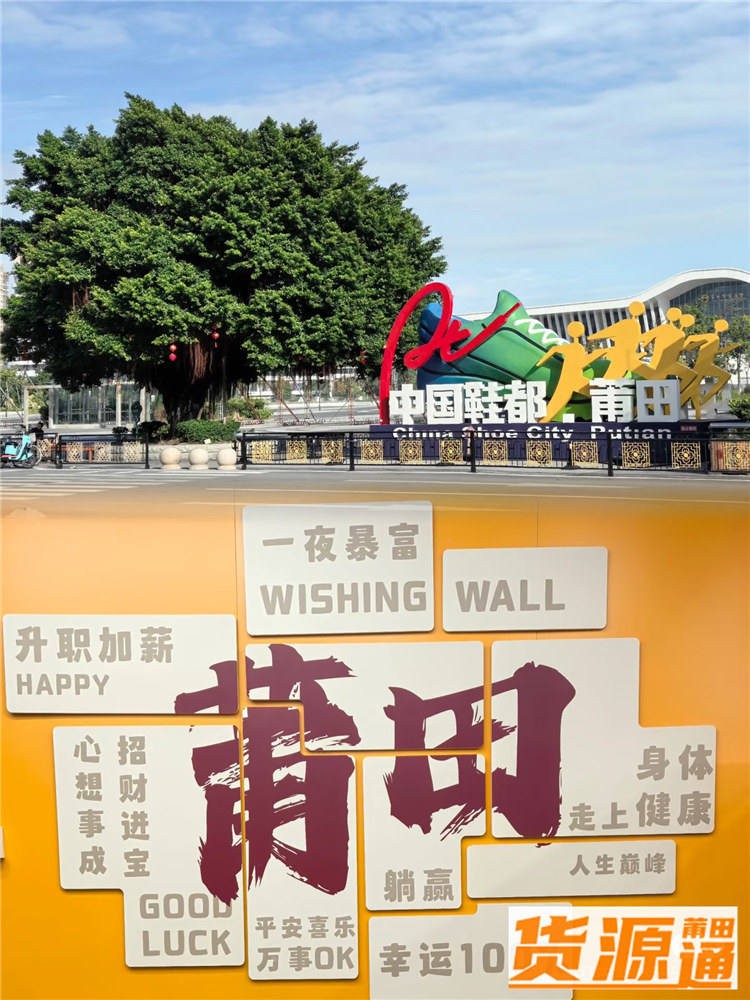
Why Nike Does Not Sue Fake Shoes in Putian: A Complex Analysis
Nike, a global leader in the footwear and apparel industry, faces a significant challenge in the form of fake products, particularly in the region of Putian in China. Despite the widespread production of what are commonly known as "Putian shoes" that bear the Nike logo, Nike has opted not to take legal action against these fakes. The decision to not sue is not straightforward and involves several factors that are discussed below.
1. Complex Supply Chain and Enforced Local Production
Putian, located in the Fujian province of China, has a long history of shoe manufacturing. The region is renowned for its craftsmanship and has been producing high-quality footwear for decades. As a result, many manufacturers in Putian have set up shops producing Nike-style footwear due to the demand from consumers who seek affordable alternatives. Nike, itself, has also contracted with local manufacturers to produce its products, making the line between genuine and fake products blurred. Suing these local manufacturers would not only cause legal complexities but could also damage the reputation of Nike in the region and affect its ability to produce locally.
2. Brand Image and Consumer Perception
Another factor that Nike considers is the impact of legal action on its brand image and consumer perception. While it is understandable that Nike wants to protect its trademark and intellectual property rights, taking legal action against Putian shoe manufacturers could be perceived by consumers as a lack of respect for local culture and tradition. Moreover, it could create an image that Nike is overly aggressive in its pursuit of profits, disregarding the livelihoods of small-scale manufacturers who often operate under difficult circumstances. By not taking action, Nike maintains its image as a brand that is tolerant and respectful of cultural differences while also addressing the needs of its consumers seeking affordable options.
Moreover, legal action would be expensive and time-consuming, potentially involving complex legal procedures and trials in China, which could further damage Nike's reputation if not handled delicately. Therefore, it seems more beneficial for Nike to focus on protecting its intellectual property rights through proactive measures such as improved quality control and market differentiation strategies rather than taking on costly legal battles with small-scale manufacturers in Putian.
Conclusion
The decision not to sue fake shoe manufacturers in Putian reflects a complex interplay of factors that include supply chain considerations, brand image, consumer perception, and the cost-effectiveness of legal action. Nike's approach highlights a nuanced understanding of the global market and a willingness to accommodate cultural differences while maintaining its market position and profitability. This balance is not easy to achieve but is crucial for any global brand that wants to thrive in a world where consumer preferences and production practices are constantly evolving.
- Bootleg sneakersPumian Flat-bottomed Men's Shoes for Sale - Where to Find?
- Reproduction sneakersPumai Shoe Enterprises' Store Count Explored
- "UA" (Unauthorized Authentic)Brands of Putian Local Shoe Enterprises: An Insight.
- "UA" (Unauthorized Authentic)Where to Buy Authentic Putian Shoes 这个标题简洁明了,符合英语表达习惯,且不超过40个字符,完全符合您的要求。
- Fake designer shoesTitle for "Puztian shoes vs Original version: Difference pictures" 以下是一个英文标题建议: "Puztian vs Original Shoes: Difference Pictures Analysis"
- Retro shoesChoosing the Best Brands of Putian Shoes: A Guide to Quality Selection.
- Retro sneakers"Fujian Putian Original Adidas Shoes: Quality and Style"
- Retro sneakersFeatures of Putian Shoes in Fujian Province, China.
